A dental hygienist Purley appointment does more than leave your teeth feeling clean. Healthy gums support your natural teeth and help protect veneers, composite bonding, bridges and dental implants.
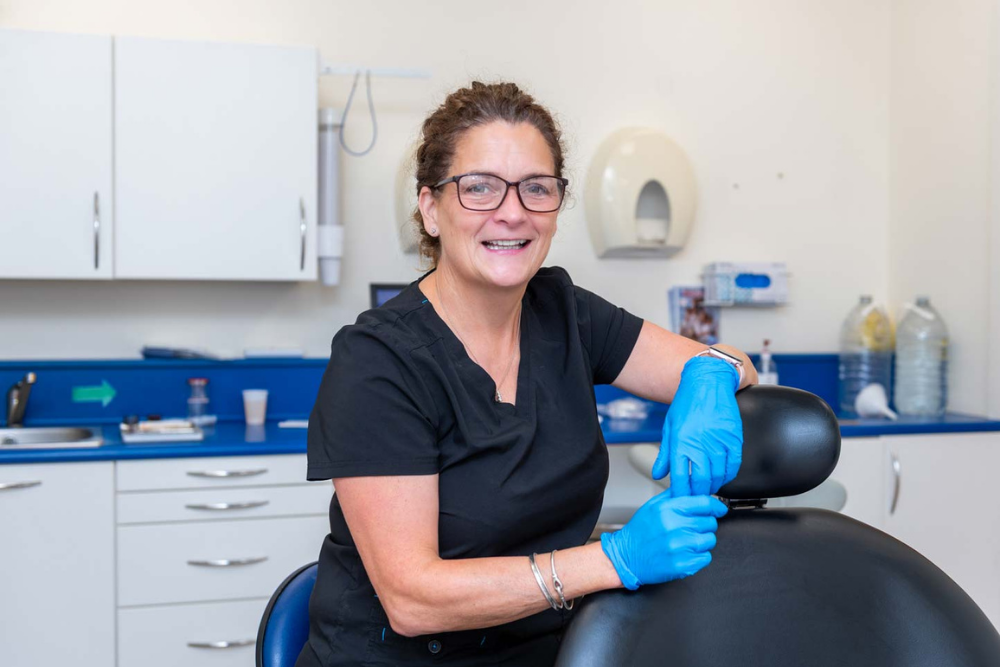
Gum disease often begins without pain, so bleeding gums when brushing, persistent bad breath or red, swollen gums can be important early signs. At Foxley Lane Dental, we provide hygiene care, AirFlow stain removal and gum disease treatment Purley for patients from Purley, Coulsdon, Sanderstead, Kenley, Caterham and South Croydon.
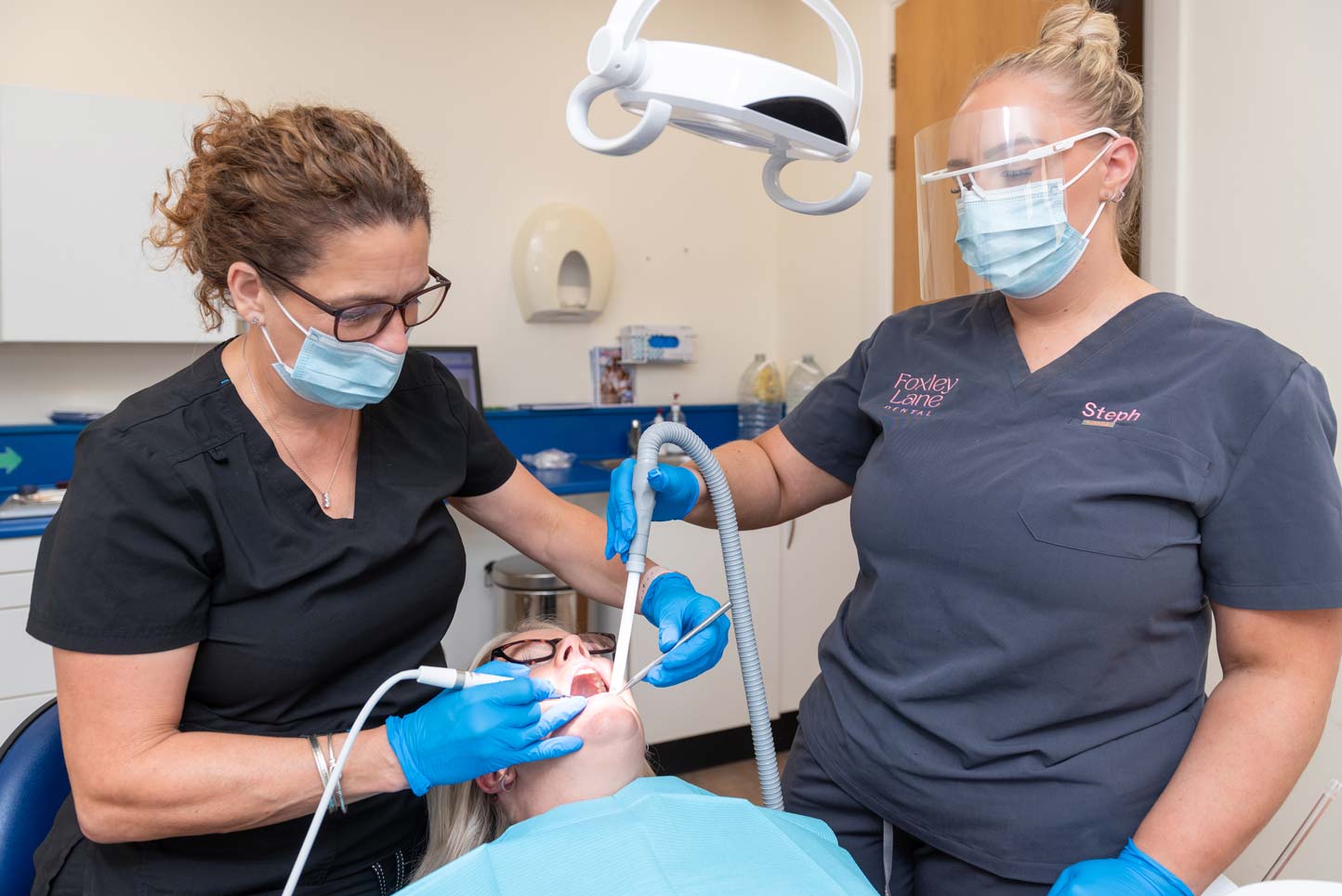
We’ll check your teeth and gums for plaque, hardened tartar and inflammation. Your appointment may include professional scaling, cleaning around the gumline and between teeth, polishing, AirFlow treatment where appropriate and practical home-care advice.
A scale and polish removes deposits that brushing alone cannot shift. We’ll also show you where plaque is building up - and how to clean those areas more effectively.
AirFlow stain removal uses warm water, air and fine powder to remove plaque, biofilm (a sticky layer of bacteria and other microorganisms that forms on your teeth and along the gumline) and surface staining. It can help with stains caused by tea, coffee, red wine or smoking, and clean around implants, bridges and fixed braces. Whilst it can remove surface stains, it won’t change the natural colour of your teeth, so professional teeth whitening in Purley may be more suitable if you’d like a lighter shade.
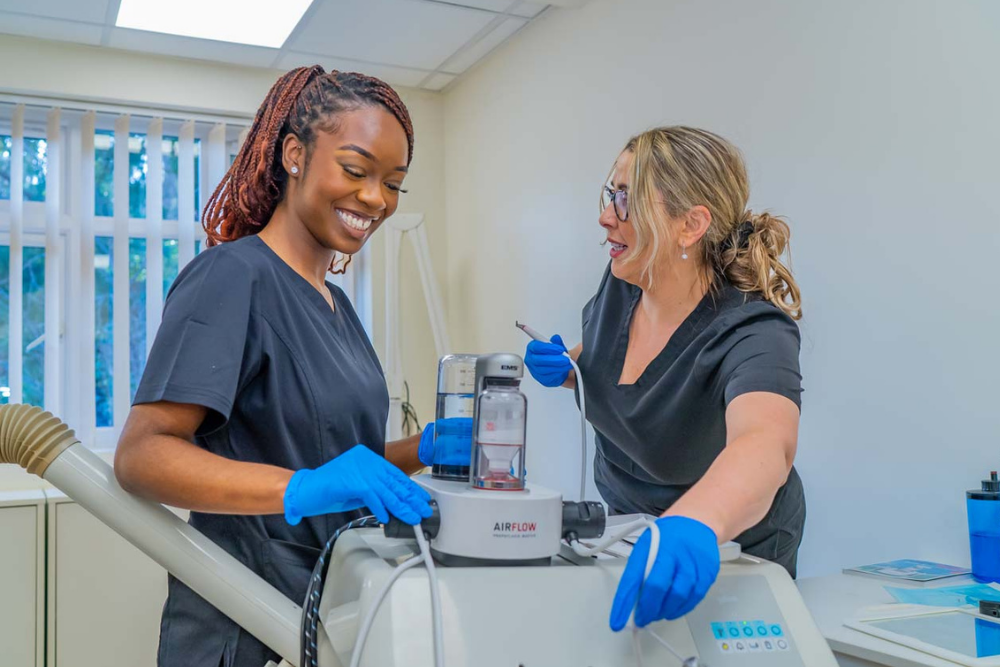
Hygienist costs vary between practices and depend on the treatment needed. At Foxley Lane Dental, a hygiene scale and polish is currently £79 and EMS AirFlow® is £105. Deep gum treatment is currently £250 per quadrant where cleaning below the gumline is needed. We’ll always explain the treatment and cost before we begin.
Common signs of gum disease include:
Bleeding gums are common, but they shouldn’t be treated as normal. They’re often an early sign that plaque is irritating the gumline, and gum disease can progress without obvious pain.
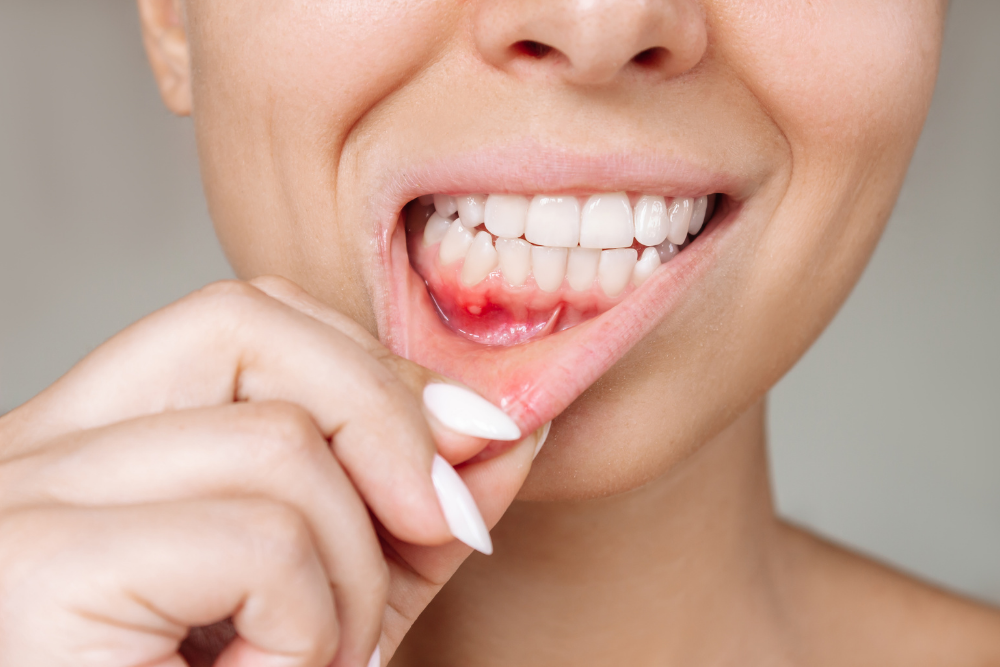
Gingivitis is the earliest stage of gum disease. It causes redness, inflammation and bleeding but hasn’t usually damaged the bone supporting the teeth. With effective cleaning and home care, it can often be reversed.
Periodontitis is more advanced and affects the deeper tissues and supporting bone. Pockets can form below the gumline. Lost bone cannot be restored through routine cleaning, but treatment can control the disease and reduce further damage.
Early gum disease can often be reversed by removing plaque and tartar and improving daily cleaning. If it has progressed to periodontitis, treatment focuses on controlling infection and protecting the remaining support around the teeth.
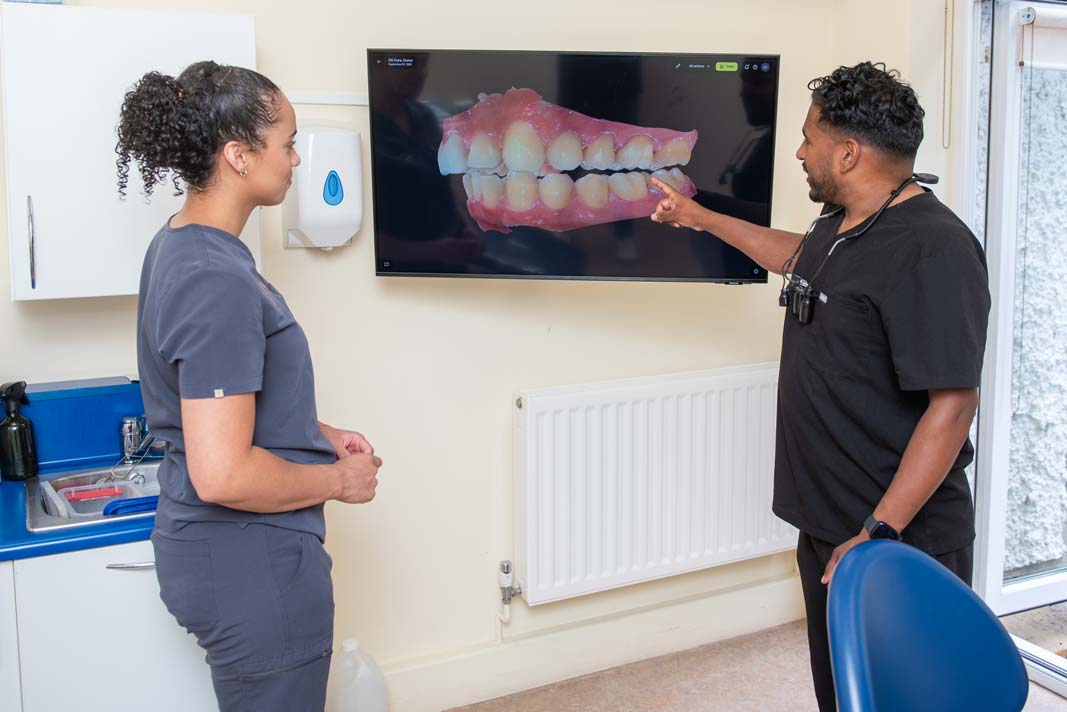
This may involve deeper cleaning below the gumline and more frequent maintenance visits. We’ll explain what we’ve found in plain English.
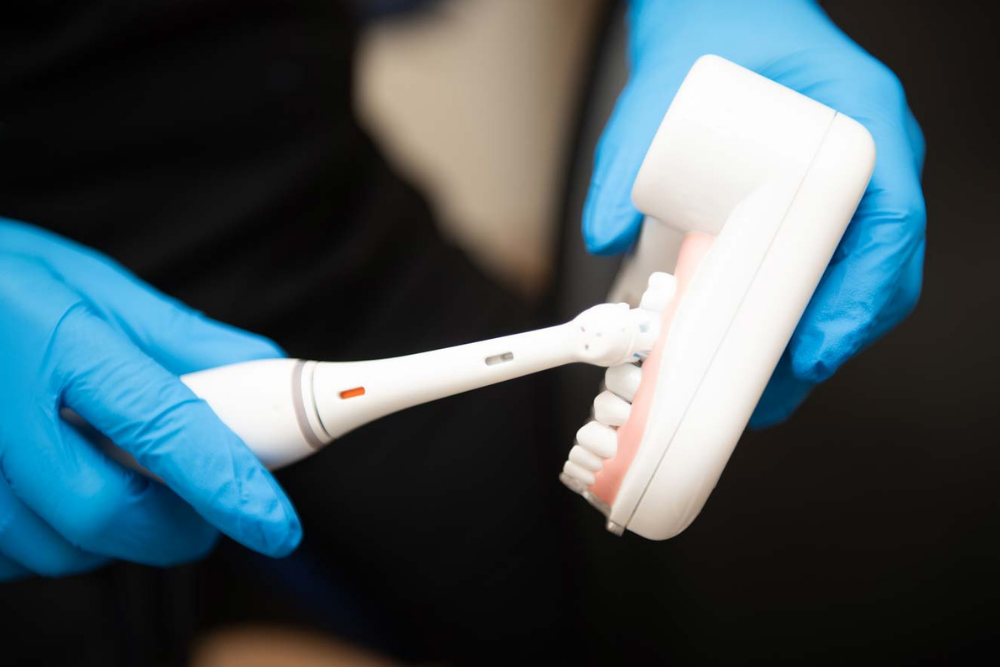
Brush for around two minutes, twice a day, using fluoride toothpaste. Angle the bristles towards the gumline and use controlled movements rather than scrubbing. Spit after brushing rather than rinsing straight away.
We also suggest cleaning between your teeth every day using floss or interdental brushes - if you’re unsure, we can help you choose the right size and show you how to use them comfortably during your appointment.
What’s more, don’t stop cleaning because your gums bleed. Gentle plaque removal is usually what inflamed gums need, although persistent bleeding should be checked. Regular dental check-ups matter too, as your hygienist focuses on gum health while your general dentist in Purley checks your teeth and wider oral health.
Many patients benefit from a hygiene appointment around every six months, but there isn’t one schedule for everyone. You may need more frequent visits if you have gum disease, smoke, wear braces, have dental implants or find plaque builds up quickly. We’ll recommend a timetable based on your mouth.
Inflamed or receding gums can affect how veneers and composite bonding look where they meet the gumline. Plaque around dental implants can also inflame the surrounding tissues and may eventually affect the supporting bone.
Regular hygiene care helps protect your dental work. We can also show you how to clean around veneers, bonding, bridges, retainers and implants.
Bleeding gums when brushing usually need a routine assessment rather than emergency treatment. Contact us promptly if you have severe pain, facial swelling, pus, a high temperature or feel generally unwell.
Foxley Lane Dental provides emergency dental appointments in Purley, including same-day care where available. If you are unsure how urgent your symptoms are, please call our team for advice.
If you feel very unwell, have uncontrollable bleeding, or need urgent medical help, contact NHS 111 or visit your local A&E department.

Healthy gums help you keep your natural teeth for longer and protect dental treatment you’ve already had. Book your dental hygienist Purley appointment at Foxley Lane Dental for personalised hygiene care, AirFlow stain removal or gum disease treatment Purley.

Regular dental care can reduce the risk of gum disease returning, but long-term control also depends on how effectively plaque is removed at home. Professional appointments remove hardened tartar and allow us to monitor changes around your gums. As part of your Purley dental care, we’ll recommend a maintenance schedule and show you how to clean the areas most likely to collect plaque.
Dental hygiene appointments can help persistent bad breath when plaque, tartar or gum inflammation is contributing to the problem. A professional clean removes deposits that brushing may not reach, while personalised advice helps you maintain a fresher mouth between visits. Bad breath can have several causes, so we may recommend an assessment with your dentist if it continues after your gums and teeth have been cleaned.
A dentist or dental hygienist can remove hardened tartar that brushing cannot shift at home. Tartar develops when soft plaque hardens onto the teeth, often around the gumline or between teeth. Professional removal forms an important part of preventive and general dentistry because leaving tartar in place can make plaque control more difficult and contribute to ongoing gum inflammation.
Preventive dentistry can help identify why your teeth feel sensitive and how best to manage it. Sensitivity may be linked to gum recession, exposed tooth roots, worn enamel, decay or another dental problem. We’ll look for the likely cause rather than simply covering the symptom, then explain any home-care changes, hygiene treatment or other dental solutions that may help.
Foxley Lane can assess bleeding gums even when they don’t feel painful, as early gum disease often causes little or no discomfort. Bleeding may mean plaque is irritating the gumline and shouldn’t simply be ignored. At our Purley practice, we’ll check your gums, remove any deposits and explain what you can do at home to help the inflammation settle.
Foxley Lane Dental can tailor professional cleaning around implants, veneers and composite bonding to protect the gums and the edges of your restorations. Your hygienist will choose suitable instruments and techniques for the dental work you have. We’ll also show you how to clean difficult areas at home, helping you protect both your gum health and the treatment you’ve invested in.
Teeth can sometimes feel temporarily sensitive after a hygiene appointment, particularly when tartar has been removed from exposed roots or inflamed gums. If gum swelling reduces after treatment, previously covered areas of the tooth may also feel more noticeable for a short time. Please tell us if you’re already sensitive, as we can adapt your care and advise on suitable toothpaste or aftercare.
You can usually have routine dental hygiene care during pregnancy, and looking after your gums is particularly important because hormonal changes can make them more prone to swelling and bleeding. Tell the dental practice that you’re pregnant when booking and let us know how many weeks you are. We can then tailor any recommended dental services around your comfort and individual needs.
Gum disease can make teeth feel loose without causing significant pain because it may gradually damage the tissues and bone that support them. Other warning signs can include bleeding, receding gums, bad breath or gaps beginning to appear. Please arrange an assessment promptly if a tooth feels loose, as earlier treatment gives us the best opportunity to control the condition.
Mouthwash doesn’t replace floss or interdental brushes because it cannot physically remove all the plaque collecting between your teeth and along the gumline. Mouthwash may support your routine when recommended, but daily brushing and interdental cleaning remain the foundations of effective care. We can help you choose an option that feels manageable if you find flossing difficult.

For composite bonding, dental implants, veneers, teeth straightening and teeth whitening:

For children's appointments, dental check-ups, dental hygiene and emergency appointments:


I couldn’t have asked for better treatment. Highly recommended. I am a very happy patient!
Bridget butcher

Excellent care and attention with very experienced dentists and efficient reception with all the latest modern equipment one would hope for. Highly recommend.
anthony carter-clout







Monday
8.30am - 5.00pm
Tuesday
8.30am - 5.00pm
Wednesday
8.30am - 8.00pm
Thursday
8.30am - 5.00pm
Friday
8:30am - 4.00pm
Saturday
9.00am - 2.00pm
Sunday
Closed
2026 | This website was last updated on 30/06/2021 at 09:23


