If you're considering replacing one or more missing teeth, you may be weighing up the benefits of dental implants vs dentures, and the options available to you in the Purley or Croydon area. Both dental implants and dentures restore your smile and improve day-to-day function - but they work in different ways.
Choosing the right option is not simply about appearance alone. It is about comfort, stability, long-term oral health and how you want your teeth and bite to feel.
At Foxley Lane Dental in Purley, we guide you through your options carefully and without pressure, so you can make a decision that feels right for you. So if you've been searching for 'dental implants vs dentures Purley', this blog should be a helpful place to start.

At Foxley Lane Dental in Purley, we guide you through your options carefully and without pressure, so you can make a decision that feels right for you.
Dental implants are small titanium posts placed into the jawbone to replace missing tooth roots. Once healed, they support a crown, bridge or fixed teeth.
Implants are designed to feel and function like natural teeth. Because they are anchored in the bone, they provide a stable and secure solution for replacing missing teeth.
They may be suitable for:
Implants require a clinical assessment to check your bone health and suitability. During your consultation at Foxley Lane Dental, we’ll carefully assess your smile, explain your options and answer any questions you have.
Dentures are removable appliances used to replace missing teeth and surrounding tissues. They can be full dentures, replacing all teeth, or partial dentures, replacing a few missing teeth.
Dentures sit on the gums and are custom-made to fit your mouth.
They may be suitable for:
Dentures can be adjusted over time as your mouth changes.
When patients in Purley ask us about dental implants vs dentures, the biggest difference they notice tends to be stability.
Dental implants are fixed in place. They are placed into the jawbone and designed to feel closer to natural teeth when you eat, speak and smile.
Dentures are removable and rest on the gums. Although modern dentures are carefully made to fit well, they may move slightly, particularly when eating certain foods.
There are also longer-term differences to consider. Dental implants help maintain jawbone structure because they replace the tooth root as well as the visible tooth. Dentures replace the visible teeth but it’s important to note that dentures do not prevent natural bone shrinkage over time.
The treatment journey is different too. Dental implants involve a longer treatment process, as your mouth needs time to heal after placement. Dentures can often be provided more quickly, which may suit some patients.
The right option for you depends on your oral health, your expectations and how you want your teeth to feel day to day - there is no one-size-fits-all answer.
Let’s delve into the key differences a little more below.

Stability and feel
With dental implants, the replacement tooth is secured into the jaw. Many patients say this gives them a sense of confidence when eating and speaking, as the teeth feel stable and secure.
Dentures sit on the gums and are removed for cleaning. They are designed to restore function and appearance, but because they are not fixed into the bone, they can feel different from natural teeth.
Appearance and confidence
Both implants and dentures are designed to look natural. Implants often feel more like natural teeth because they are fixed. Many patients appreciate the security they provide when speaking and eating.
Modern dentures can also look very natural. With careful design and fitting, they can restore the appearance of your smile effectively.
Comfort and function
Dental implants provide strong biting force and stability. You can eat most foods without worrying about movement.
Dentures may require an adjustment period. Some patients experience movement or pressure on the gums, particularly with lower dentures.
Implant-retained dentures offer a middle ground. They remain removable but are stabilised using implants.
Long-term considerations
Dental implants are designed as a long-term solution. With good oral hygiene and regular dental reviews, they can last many years.

Dentures usually require relining, adjustment or replacement over time as the shape of the gums changes.
We will always discuss maintenance requirements with you before any decision is made.
Cost and suitability
Treatment costs vary depending on your individual needs and the number of teeth being replaced.
Implants involve surgical placement and laboratory work, which affects overall cost. Dentures generally require a lower initial investment.
We provide a clear treatment plan and cost estimate following assessment. Finance options may be available, subject to approval.
A full clinical examination is always needed to determine suitability for dental implants.
There is no single “best” choice - dental implants may be suitable if you are looking for a fixed, long-term solution that closely mimics natural teeth.
Dentures may be appropriate if you prefer a removable option or are not suitable for implant treatment.
At Foxley Lane Dental in Purley, we take time to understand your goals, concerns and expectations before recommending any treatment.
If you are considering dental implants vs dentures in Purley, the first step is a free consultation.
We will assess your oral health, discuss your options clearly and answer any questions you may have. Our focus is always on helping you feel informed, comfortable and confident in your decision.
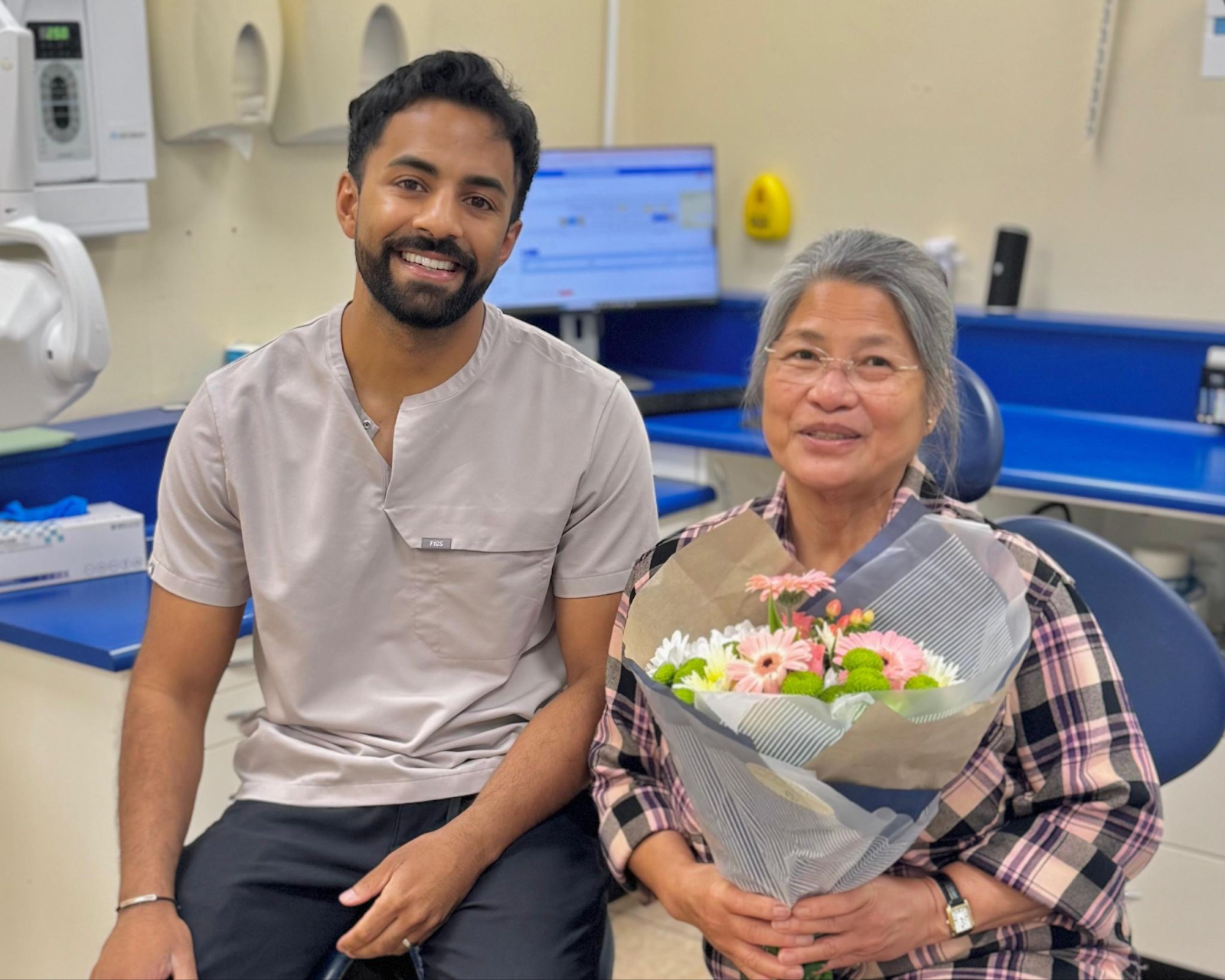
Ready to talk to one of our implant dentists?

The cost of dental implants vs dentures in Purley depends on your individual treatment plan and the number of teeth or single tooth replacements required. Dental implants involve a surgical process and laboratory work, while dentures are removable appliances. Following assessment, our Purley team will provide a clear written treatment plan so you understand the full process and cost before any care begins.
The 3-2 guideline relates to implant planning and available bone around the implant root. It helps ensure there is sufficient bone support for stability. Our implant specialists assess bone levels using clinical examination and digital imaging before recommending treatment as part of a safe and structured process.
Dental implants may not be suitable if there is insufficient jawbone, uncontrolled medical conditions or factors that may affect healing around the implant root. During your consultation in Purley, our team will carefully assess your oral health and explain whether implant treatment is appropriate for you.
Both options provide effective solutions for missing teeth. Dental implants are fixed in place and help support jawbone health, while dentures are removable and may suit patients who prefer a non-surgical option. The right choice depends on your oral health, lifestyle and long-term care goals. Our Purley team will guide you through the decision-making process clearly.
Dental implant placement is carried out using local anaesthetic to keep you comfortable throughout the procedure. Most patients describe mild soreness afterwards rather than pain. We explain each stage of the process so you feel informed and supported during your experience at our Purley practice.
The dental implant process varies depending on healing time and the number of teeth being replaced. After implant placement, a healing period allows the implant root to integrate with the jawbone before the final crown is fitted. Your dentist will outline a personalised timeline following assessment.
Dentures often last several years but may require relining or replacement as the gums and bone naturally change shape. Regular reviews with our Purley team help maintain comfort, fit and long-term oral care.
Once healing is complete, dental implants allow you to chew most foods confidently. Because implants replace the root of the tooth, they provide strong support. We will advise you on diet during healing and at each review appointment.
Some dentures may move slightly, particularly lower dentures. A well-fitted denture reduces movement. Implant-retained dentures use implants to improve stability while remaining removable.
Leaving a missing tooth gap can lead to neighbouring teeth shifting, bite changes and gradual bone shrinkage around the lost tooth root. Replacing missing teeth with dental implants or dentures helps maintain oral function and long-term care of the mouth.

For composite bonding, dental implants, veneers, teeth straightening and teeth whitening:

For children's appointments, dental check-ups, dental hygiene and emergency appointments:


I couldn’t have asked for better treatment. Highly recommended. I am a very happy patient!
Bridget butcher

Excellent care and attention with very experienced dentists and efficient reception with all the latest modern equipment one would hope for. Highly recommend.
anthony carter-clout






Monday
8.30am - 5.00pm
Tuesday
8.30am - 5.00pm
Wednesday
8.30am - 8.00pm
Thursday
8.30am - 5.00pm
Friday
8:30am - 4.00pm
Saturday
9.00am - 2.00pm
Sunday
Closed
2026 | This website was last updated on 30/06/2021 at 09:23


