Few dental treatments have an undeserved reputation quite like root canal treatment. Much of that reputation dates back to a time before modern anaesthetics, digital imaging and contemporary dental techniques. Today, root canal treatment is designed to remove infection, relieve pain and preserve your natural tooth whenever possible. If you've been told you need root canal treatment in Purley, it's completely understandable to feel nervous, but most patients are pleasantly surprised by how comfortable the procedure is.
Thanks to modern techniques and effective local anaesthetic, many patients report how straightforward the root canal procedure feels. In fact, most describe it as being similar to having a routine filling.

At Foxley Lane Dental, we aim to make every stage of your root canal treatment in Purley as comfortable and stress-free as possible. Whether you're experiencing ongoing toothache, sensitivity to hot and cold, a dental abscess, have been referred for treatment, or simply want to understand the options around potentially saving your tooth, this guide explains everything you need to know.
Inside every tooth is a soft tissue called the pulp, which contains nerves and blood vessels. If this tissue becomes infected or badly damaged through deep decay, a crack, trauma or repeated dental treatment, the infection can spread through the root canals inside the tooth.
Root canal treatment removes the infected or damaged pulp, carefully cleans and disinfects the inside of the tooth, then seals the root canals using a rubber-like material called gutta-percha to help prevent further infection. Rather than removing the entire tooth, root canal treatment allows your dentist to preserve as much of your natural tooth as possible.
After root canal treatment, some teeth - particularly back teeth - may benefit from a dental crown. A crown is a custom-made cap, usually made from porcelain, ceramic, zirconia or other durable dental materials, that fits securely over the tooth to restore its strength, shape and function.
Root canal-treated teeth can become more brittle over time, particularly if much of the original tooth has already been lost through decay or previous fillings. A dental crown helps protect the tooth from cracks or fractures and allows it to function normally for many years to come.
Your dentist will advise whether a crown or a permanent filling is the most appropriate restoration for your tooth, based on your circumstances.
Not everyone who needs root canal treatment experiences severe pain or a draining abscess. Some people have only mild symptoms such as sensitivity to hot and cold, while others may not notice anything until an infection is seen on an X-ray during a routine dental examination.

Signs that may indicate root canal treatment is needed include:
If you're experiencing any of these symptoms, it's important to arrange an appointment promptly. Early treatment may help prevent the infection from becoming more extensive.
Understanding each stage of treatment often helps patients feel much more relaxed.
Your dentist will examine the tooth, discuss your symptoms and usually take digital X-rays to assess the extent of the infection and the shape of the root canals. This allows us to create a personalised treatment plan before treatment begins.
The area is thoroughly numbed using local anaesthetic before treatment starts. Most patients feel pressure during treatment but should not experience pain.
If you're particularly nervous about dental treatment, let us know. We'll always do everything we can to help you feel comfortable throughout your appointment.
Once the tooth is numb, your dentist makes a small opening in the top of the tooth to access the infected pulp.
Using very fine instruments, similar to tiny flexible files, your dentist carefully removes the infected or damaged tissue from inside the root canals. The canals are then cleaned, disinfected using antibacterial solutions to remove bacteria, and gently shaped so they can be sealed securely.
This stage of treatment is carried out with great precision to help remove infection while preserving as much healthy tooth structure as possible.

After the canals have been thoroughly cleaned, they're filled with a biocompatible material that seals the space and helps prevent bacteria from re-entering the tooth.
A temporary or permanent filling is then placed to close the access opening.
Once root canal treatment has been completed, the tooth needs to be restored so it can function normally again.
Some teeth, particularly back teeth that are exposed to greater chewing forces, may benefit from a dental crown to strengthen and protect the remaining tooth structure. Front teeth and teeth with sufficient healthy tooth remaining may simply require a permanent filling.
Your dentist will recommend the most appropriate option based on your individual circumstances.
Root canal treatment should not be painful because it's carried out under effective local anaesthetic, and most patients describe the treatment itself as feeling similar to having a routine filling. The main difference is that root canal treatment often takes longer than a standard filling, so your jaw may feel a little tired from keeping your mouth open for longer. Like any dental procedure requiring local anaesthetic, you may also feel a brief pinch or stinging sensation as the anaesthetic injection is administered.
Once the tooth is fully numb, you may notice some pressure or vibration while the root canals are being cleaned, but you shouldn't experience sharp pain. If you feel uncomfortable at any stage, your dentist can provide additional local anaesthetic to keep you comfortable.

Following treatment, it's normal to experience some mild tenderness for a few days while the tissues around the tooth settle. This is usually manageable with over-the-counter pain relief if needed, and most patients return to their normal daily activities straight afterwards.
At Foxley Lane Dental, we understand that many patients feel anxious about root canal treatment, and we're committed to helping nervous patients feel as comfortable and reassured as possible throughout their care.
The best option depends on the condition and position of your tooth, your overall oral health and your long-term goals. Wherever possible, preserving your natural tooth with root canal treatment is usually the preferred option, but every patient is different.
Keeping your natural tooth helps maintain your normal bite, supports neighbouring teeth and avoids the need to replace the missing tooth later. However, if a tooth is too badly damaged or infected to be successfully restored, extraction may be the better option. If extraction is necessary, replacement options such as a dental implant, dental bridge or denture can restore your smile and help maintain your oral health.
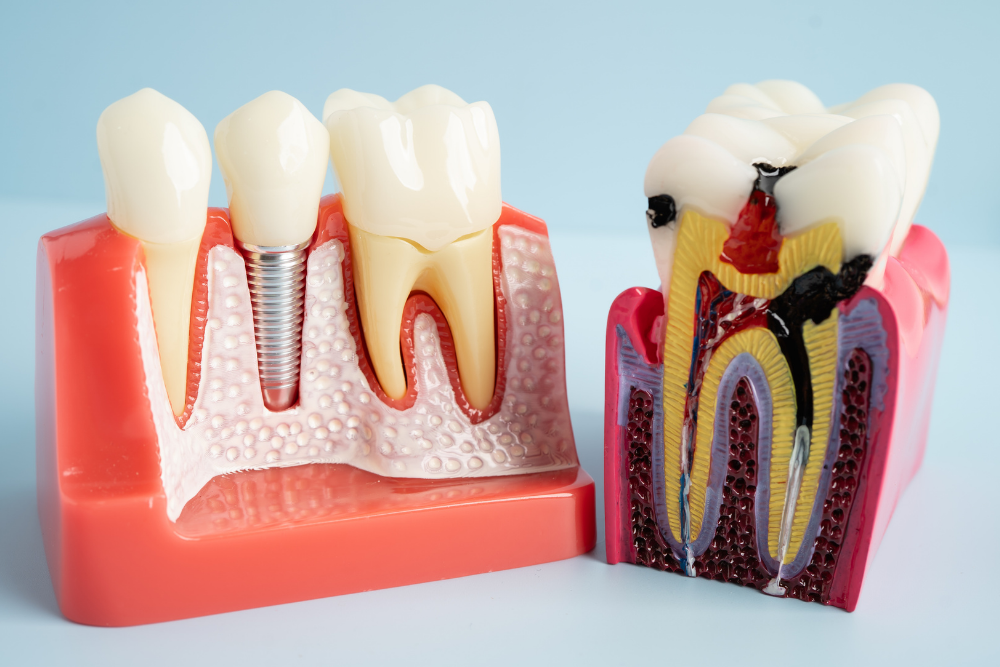
A dentist with experience in root canal treatment can assess your tooth using a clinical examination and X-rays before recommending the most appropriate treatment for your individual situation. At Foxley Lane Dental, we'll explain the benefits and considerations of each option, helping you make an informed decision about your long-term dental health.
Root canal treatment has a very high long-term success rate, and many treated teeth continue functioning well for many years. However, like any dental treatment, no procedure can be guaranteed, especially if the initial infection was advanced.
Occasionally, infection may return if new bacteria enter the tooth through decay or a damaged restoration, or because some teeth have very complex root canal systems that can be more challenging to clean and seal completely. Cracks in the tooth or extensive damage can also affect the long-term prognosis.
In some cases, retreatment may be possible. More complex cases or previously treated teeth may also benefit from specialist endodontic care. At Foxley Lane Dental, we'll always advise on the most appropriate treatment approach for your individual situation.
Most patients return to their normal daily activities straight after treatment. For the first 24 to 48 hours, you may notice some mild tenderness around the tooth, particularly when biting. This is a normal part of the healing process and usually settles quickly.
Some patients also notice that the treated tooth feels slightly "higher" than the surrounding teeth when they bite together. This is often due to temporary inflammation around the root of the tooth rather than the bite itself, and it usually improves as the area heals. However, if the tooth still feels high or uncomfortable after a few days, contact your dentist, as a simple bite adjustment may be all that's needed.
To help your recovery:
If you experience increasing swelling, severe pain that isn't improving after a few days, your temporary filling comes out, or you have any concerns about your recovery, contact your dentist as soon as possible.

The cost of root canal treatment varies depending on which tooth is being treated, how many root canals it has and how complex the procedure is.
Following your examination and any necessary X-rays, we'll provide a personalised treatment plan with a clear explanation of the recommended treatment and associated fees before any treatment begins.
As a general guide, private root canal treatment in the UK commonly ranges from around £400 to £1,200 or more, depending on the tooth and complexity, although fees vary between practices. For the latest fees for root canal treatments in Purley at Foxley Lane Dental, please visit our costs page.
Root canal treatment is available on the NHS where it is clinically appropriate. However, depending on the condition of the tooth, the likelihood of long-term success and the complexity of treatment required, extraction may sometimes be recommended instead.
At Foxley Lane Dental, all adult root canal treatment is provided on a private basis, allowing us to tailor appointments and treatment planning to your individual needs. We also continue to provide free NHS dental care for eligible children under 18.
If you're unsure which option is right for you, just get in touch as our team will be happy to explain your treatment choices and recommend the most appropriate approach for your individual circumstances.
If you're experiencing persistent toothache, lingering sensitivity or you've been told you may need root canal treatment, seeking advice promptly or through an emergency dental appointment can often help save your natural tooth and prevent the problem from becoming more serious.

Foxley Lane Dental welcomes patients from Purley, Coulsdon, Sanderstead, Kenley, Caterham, South Croydon and beyond for a wide range of general and restorative dental treatments, including root canal treatment and specialist endodontic care where appropriate.
If you're concerned about a painful tooth or would like personalised root canal advice, contact our friendly team to arrange an appointment.
Early assessment often leads to simpler treatment and better long-term outcomes for your smile.

Root canal treatment is named after the 'root canals' inside your tooth, which are cleaned and sealed during the procedure. Every tooth has one or more narrow canals that run through its roots and contain the dental pulp, including the tooth's nerves and blood vessels. If this tissue becomes infected or damaged, your dentist removes it, thoroughly cleans and disinfects the root canals, then seals them to help prevent further infection. Although the name can sound intimidating, root canal treatment is simply a procedure designed to save your natural tooth and relieve pain caused by infection.
Private root canal treatment in the UK typically costs between £400 and £1,200 or more, depending on the tooth being treated and the complexity of the procedure. Teeth with multiple roots generally take longer to treat than front teeth, which can affect the fee. Following an examination and any necessary X-rays, our Purley dental clinic will provide a personalised treatment plan with a clear breakdown of costs before treatment begins.
Signs that you may need root canal treatment include persistent toothache, pain when biting, lingering sensitivity to hot or cold drinks, swelling around the tooth or a recurring gum abscess. Some infected teeth cause very little pain, so regular general dentistry check-ups remain important for identifying problems before they become more serious.
Yes, a tooth can sometimes need root canal treatment even if it isn't painful. If the nerve has already died, discomfort may reduce, but infection can still remain within the tooth or surrounding bone. During your appointment, your dentist may identify signs of infection on an X-ray even when you're not experiencing symptoms.
The best option depends on the condition of your tooth, its position in your mouth, how much healthy tooth structure remains and your long-term oral health goals. Whenever possible, preserving your natural tooth with root canal treatment is usually the preferred approach. Keeping your own tooth helps maintain your bite, supports neighbouring teeth and may avoid the need for replacement with dental implants, a bridge or a denture. However, if the tooth cannot be saved, your dentist will discuss the most appropriate treatment options for your individual circumstances and long-term oral health.
Many teeth that have received successful root canal treatment continue functioning normally for 10 years or much longer. With good oral hygiene, regular dental care and routine examinations, a treated tooth can often last for decades. Although root canal treatment has a high long-term success rate, some teeth may occasionally require retreatment if infection returns or a restoration becomes damaged.
If you're worried about the cost of root canal treatment, it's important not to ignore the problem, as delaying treatment may lead to more complex dental care later. Speaking with your dental practice is often the best first step, as your dentist can explain the available treatment options, discuss priorities and provide a personalised treatment plan. If the tooth cannot be saved, alternative treatments may also be discussed depending on your circumstances. At Foxley Lane Dental, we want everyone to access the dental treatments they need, so we offer flexible payment plans, allowing patients to spread out the cost of treatment through our provider, Tabeo.
Some root canal treatments can be completed in a single visit, while more complex teeth may require two appointments. Where two visits are needed, the first appointment involves cleaning and disinfecting the root canals before placing a medicated dressing and temporary filling. At the second appointment, your dentist will check the tooth is healing as expected before permanently sealing the root canals and restoring the tooth. Most patients return to work and their normal routine immediately afterwards, although mild tenderness for 24 to 48 hours is common. Your dentist will advise when it's comfortable to eat normally again and whether a permanent filling or dental crown is recommended to protect the tooth.
If you're looking for root canal treatment in Purley, Foxley Lane Dental provides root canal treatment and a wide range of dental services for patients across Purley, Coulsdon, Kenley, Sanderstead, Caterham, South Croydon and the wider Croydon area. Our dental practice is conveniently located on Foxley Lane, within easy reach of Purley Station, making appointments straightforward for local patients. Alongside root canal treatment, we provide general dentistry, cosmetic dentistry, Invisalign, dental implants and preventative dental care, allowing us to support your long-term oral health under one roof.
Yes, if you're in significant pain, root canal treatment may begin during an emergency dentistry appointment if it's clinically appropriate. In some cases, your dentist may first relieve the pressure caused by the infection by opening the canals and disinfecting as much as possible, before completing the full root canal treatment at a later visit. The most appropriate approach depends on the condition of the tooth and the extent of the infection. Seeking prompt dental care can often help relieve pain sooner and increase the chances of saving your natural tooth.

For composite bonding, dental implants, veneers, teeth straightening and teeth whitening:

For children's appointments, dental check-ups, dental hygiene and emergency appointments:


I couldn’t have asked for better treatment. Highly recommended. I am a very happy patient!
Bridget butcher

Excellent care and attention with very experienced dentists and efficient reception with all the latest modern equipment one would hope for. Highly recommend.
anthony carter-clout


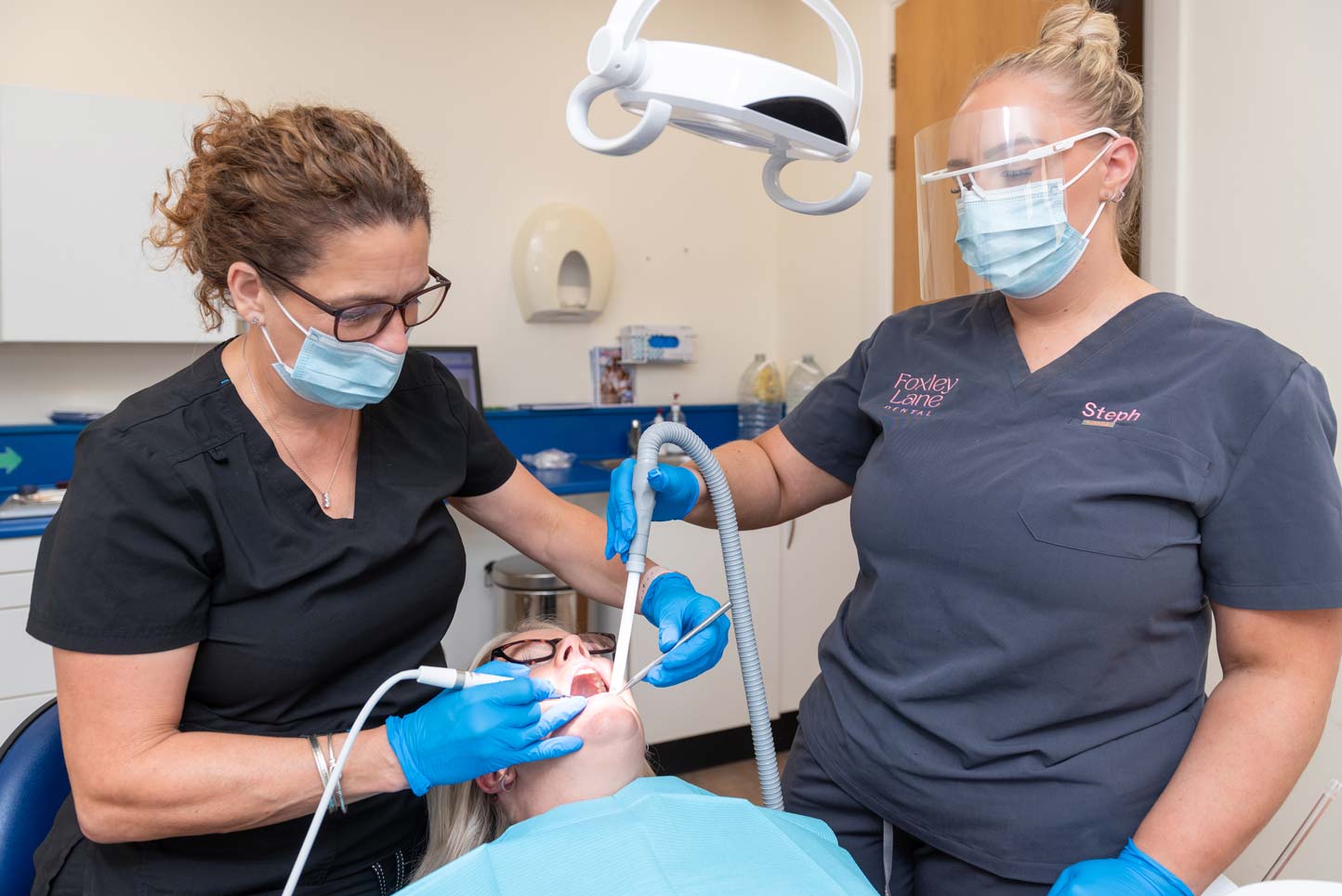

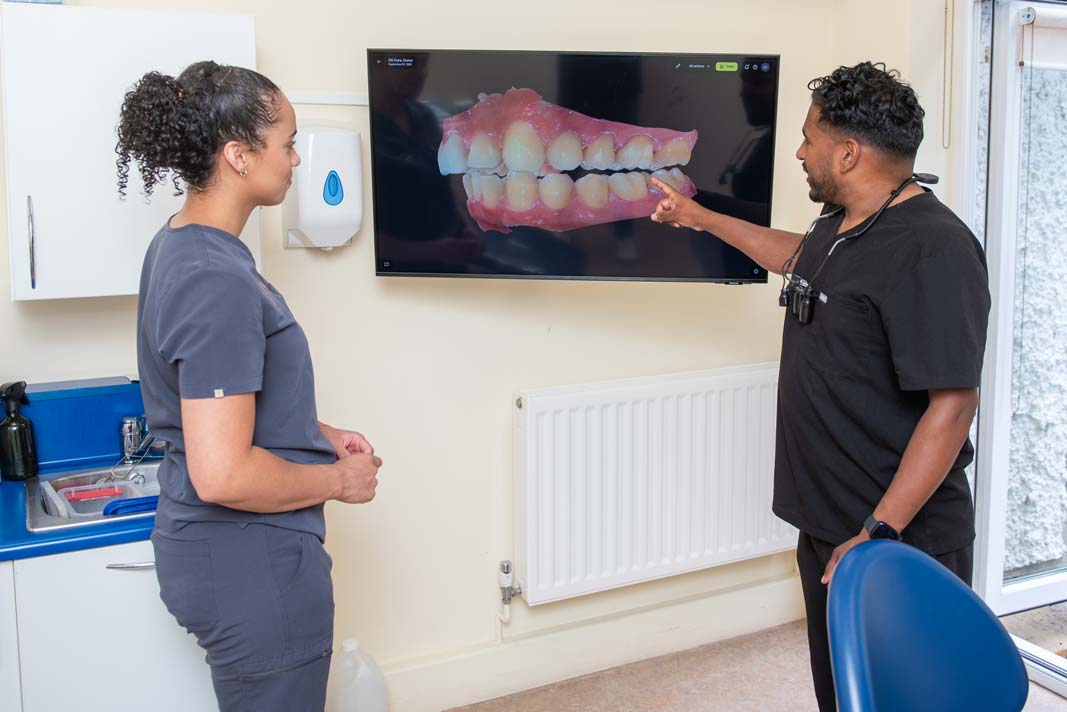





Monday
8.30am - 5.00pm
Tuesday
8.30am - 5.00pm
Wednesday
8.30am - 8.00pm
Thursday
8.30am - 5.00pm
Friday
8:30am - 4.00pm
Saturday
9.00am - 2.00pm
Sunday
Closed
2026 | This website was last updated on 30/06/2021 at 09:23


