Looking for specialist endodontics or root canal treatment near you? Expert care for tooth infection, pain relief and complex cases at Foxley Lane Dental in Purley.
Tooth pain has a habit of starting quietly and becoming hard to ignore. A dull ache. Sensitivity to hot or cold. Pain when biting. When symptoms linger or worsen, the cause is often deeper inside the tooth.
This is where specialist endodontics comes in.
If you are searching for specialist endodontics, root canal treatment or an endodontics specialist near you, understanding what endodontic care involves - including knowing your treatment options and discussing with your specialist which approach will provide the best outcome for your dental health - helps you make calm, informed decisions about your dental health.
Endodontics is the area of dentistry focused on treating problems within the inner part of the tooth. Inside every tooth sits soft tissue called the dental pulp. This contains nerves and blood vessels and plays a role in tooth development and sensation.
When the pulp becomes inflamed or infected, often due to decay, cracks, trauma or repeated dental work, treatment is needed to remove infection and protect the tooth. Without care, infection spreads and pain increases, sometimes leading to swelling or abscesses.
Specialist endodontic treatment focuses on:
Preserving your own tooth supports bite balance, jaw health and long-term oral health.
Root canal treatment is the most common endodontic procedure, but the two terms are not identical.
Endodontics describes the field of care. Root canal treatment describes the procedure used to clean and seal the inside of an infected tooth.
Some cases are straightforward and managed routinely. Others involve complex root anatomy, previous treatment, or difficult-to-access canals. These cases benefit from specialist endodontic expertise, advanced imaging and careful planning.
Symptoms vary from person to person, but common signs include:
A thorough examination, including the use of X-rays, is essential for accurate diagnosis and to assess the extent of infection or damage before planning specialist endodontics treatment.
If pain is severe or swelling develops, urgent assessment is important. Early treatment helps control infection and reduces the likelihood of emergency tooth removal.
General dentists typically refer complex cases - such as those involving complex anatomy, failed previous treatments, persistent pain, or dental trauma - to endodontists for specialist care. Complications requiring endodontic treatment often include these challenging situations.
While every treatment plan is tailored, specialist root canal care usually follows a clear, structured approach. Treatment is usually completed over one or two appointments, depending on complexity. The process usually following these steps:
Assessment and imaging
Advanced digital imaging allows dentists to assess the tooth, roots and surrounding bone with precision.
Comfort-focused care
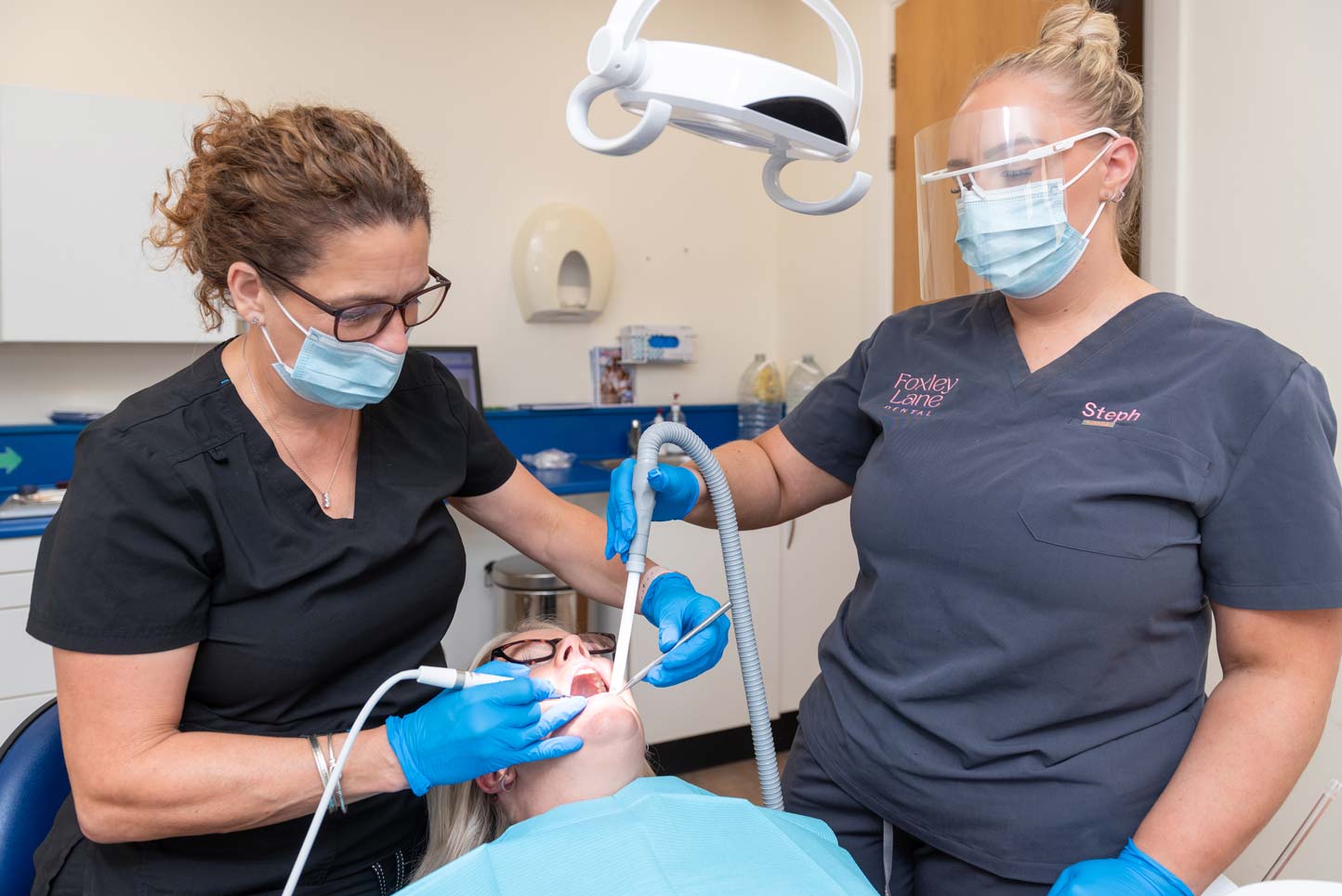
Local anaesthesia is used to gently numb the area, ensuring a pain-free and comfortable experience throughout the procedure. Most patients find that root canal treatment is not painful, and many report it is more comfortable than they initially expected. Recovery typically involves minimal discomfort and quick healing, with most patients able to return to their usual routine and eat normally again shortly after treatment.
Removing infection
The infected pulp tissue is carefully removed from inside the tooth.
Cleaning and sealing
The root canals are cleaned, disinfected and sealed to reduce the risk of reinfection. After cleaning, a temporary filling is often placed to protect the tooth until a permanent filling or crown can be fitted. The filling restores the tooth's function, allowing you to use your mouth normally again. In many ways, the experience is similar to a routine filling, making the procedure familiar and straightforward for most patients.
Protecting the tooth
A crown is often recommended to strengthen and protect the treated tooth long term. After the procedure, your mouth may feel numb for a few hours due to the local anaesthesia. Some sensitivity or mild swelling is normal, but these symptoms usually resolve quickly. Most patients experience minimal discomfort and can resume their daily activities soon after treatment.
Some teeth are more complicated to treat than others. Curved canals, multiple roots, or previous dental work can make root canal treatment more challenging. In these cases, being cared for by a specialist endodontist offers extra confidence and peace of mind.
Specialist endodontists in the UK are dentists who have completed advanced postgraduate training in root canal treatment, often through a recognised Master’s degree or specialist training pathway, alongside several years of focused clinical experience. Many are listed on the General Dental Council Specialist Register for Endodontics, reflecting a high level of training and ongoing professional development.
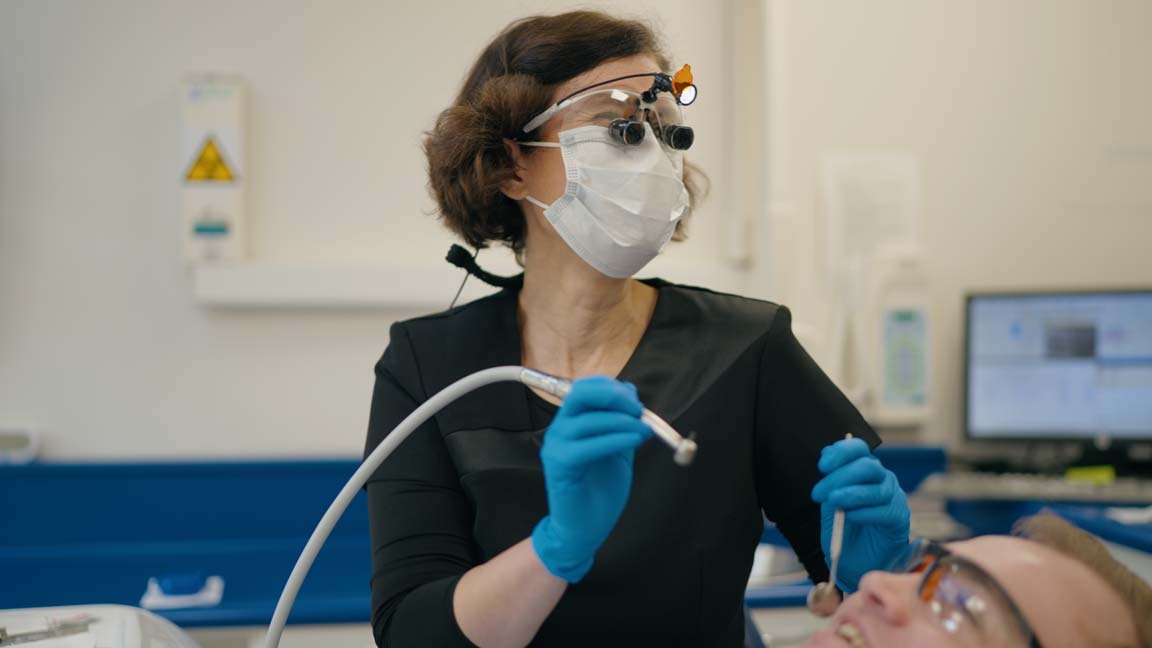
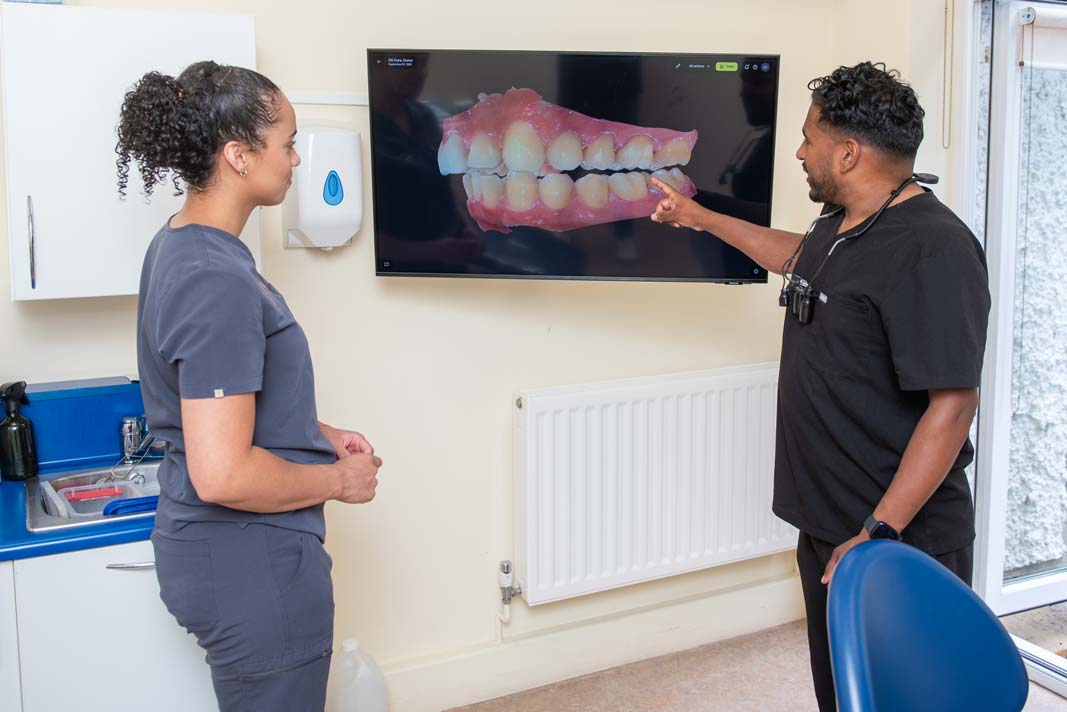
This means patients benefit from treatment that is planned and carried out with a high level of precision and care. Specialists use enhanced magnification, modern equipment and advanced techniques to fully assess the tooth and treat infection accurately. Where appropriate, this may include detailed imaging such as 3D scans to support clear diagnosis and careful planning.
This specialist approach helps increase the likelihood of saving your natural tooth, easing pain effectively, and supporting long-term comfort and oral health.
When searching for an endodontist near me, it helps to look for:
Local care also matters. Choosing a practice close to home makes follow-up and ongoing support simpler.
Foxley Lane Dental provides specialist endodontic care for patients across Purley, Croydon, South Croydon, Kenley, Wallington and surrounding areas.
Patients are supported with careful assessment, modern techniques and a gentle, reassuring approach designed to ease anxiety and deliver clear outcomes. The focus stays on saving teeth, relieving pain and supporting long-term oral health in a calm, welcoming setting.
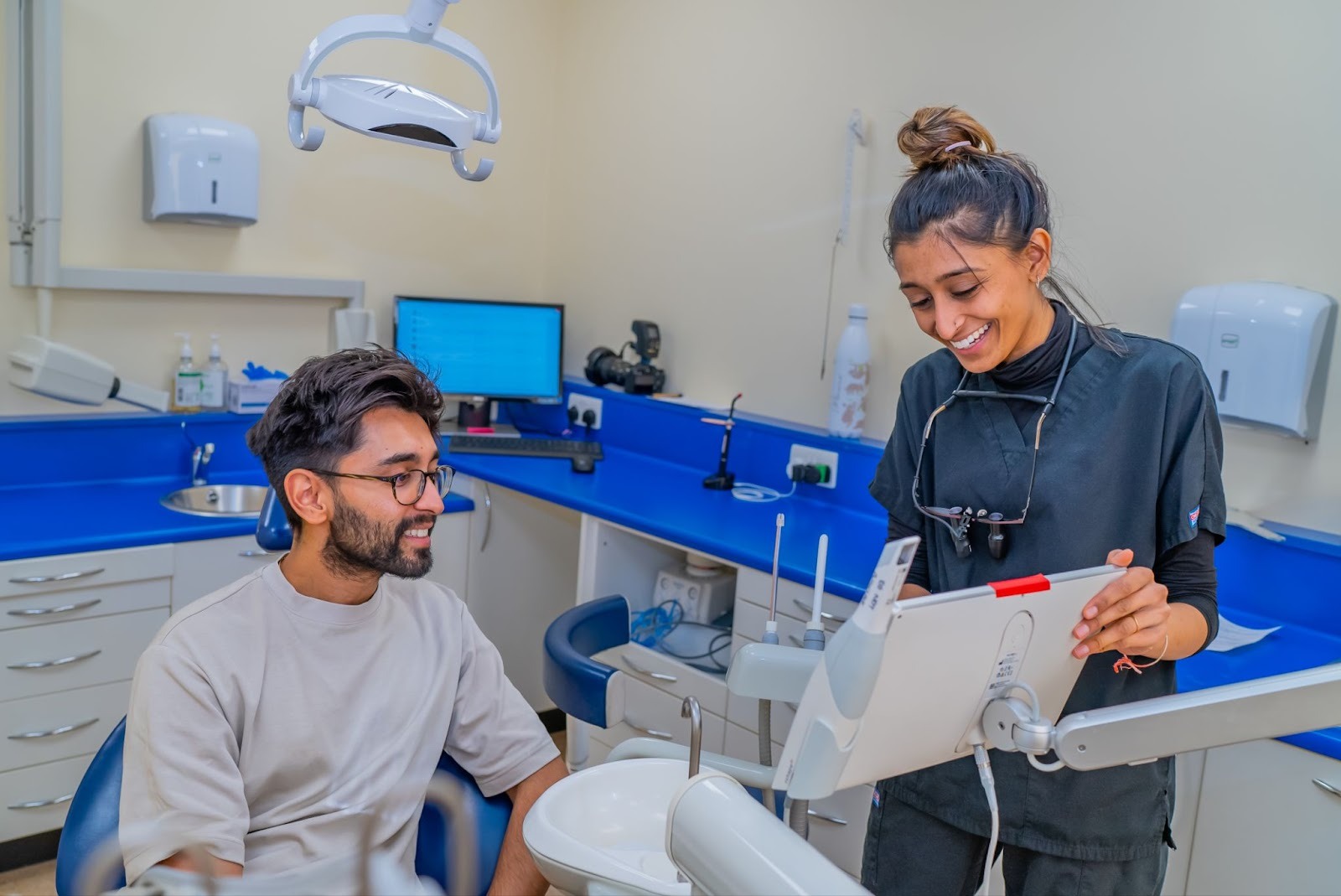
If tooth pain persists, sensitivity worsens, or you are unsure whether you need root canal treatment, early advice makes a difference. An initial consultation allows your dentist to assess the tooth, explain findings clearly and talk through next steps without pressure.
Prompt care helps prevent small problems becoming dental emergencies and supports better long-term outcomes.

An endodontics specialist diagnoses and treats infection or inflammation inside the tooth, focusing on saving natural teeth and relieving pain caused by deep dental problems.
Seeing a specialist is often advised for complex root canal cases, previously treated teeth or difficult root anatomy, as specialist care supports more accurate treatment and long-term outcomes.
A dental assessment and X-ray help determine whether a tooth can be saved with root canal treatment or whether extraction is necessary due to severe damage or infection.
Root canal treatment is considered urgent when there is severe pain, swelling or active infection, as early care helps control infection and prevent complications.
An infected tooth does not heal on its own, and without treatment the infection often worsens and may spread to surrounding bone or tissues.
Many patients experience pain relief soon after treatment as the infected tissue is removed, although mild tenderness for a short period is normal.
With successful treatment and proper restoration such as a crown, a root canal treated tooth often lasts many years with normal dental care.
Delaying treatment increases the risk of worsening pain, abscess formation and eventual tooth loss, making early assessment important.

For composite bonding, dental implants, veneers, teeth straightening and teeth whitening:

For children's appointments, dental check-ups, dental hygiene and emergency appointments:


I couldn’t have asked for better treatment. Highly recommended. I am a very happy patient!
Bridget butcher

Excellent care and attention with very experienced dentists and efficient reception with all the latest modern equipment one would hope for. Highly recommend.
anthony carter-clout








Monday
8.30am - 5.00pm
Tuesday
8.30am - 5.00pm
Wednesday
8.30am - 8.00pm
Thursday
8.30am - 5.00pm
Friday
8:30am - 4.00pm
Saturday
9.00am - 2.00pm
Sunday
Closed


